

Lifestyle
How to Choose the Best Toys for Your Dog: A Guide to Safe & Fun Play
Quick answer: to choose the best toys for your dog, match the toy to your dog’s size, age, and play style, pick durable toys made for dogs, avoid small parts, supervise new toys, and replace anything cracked or torn. Rotate a few toys at a time to keep play interesting.
- October 24, 2023
- 14 Min Read
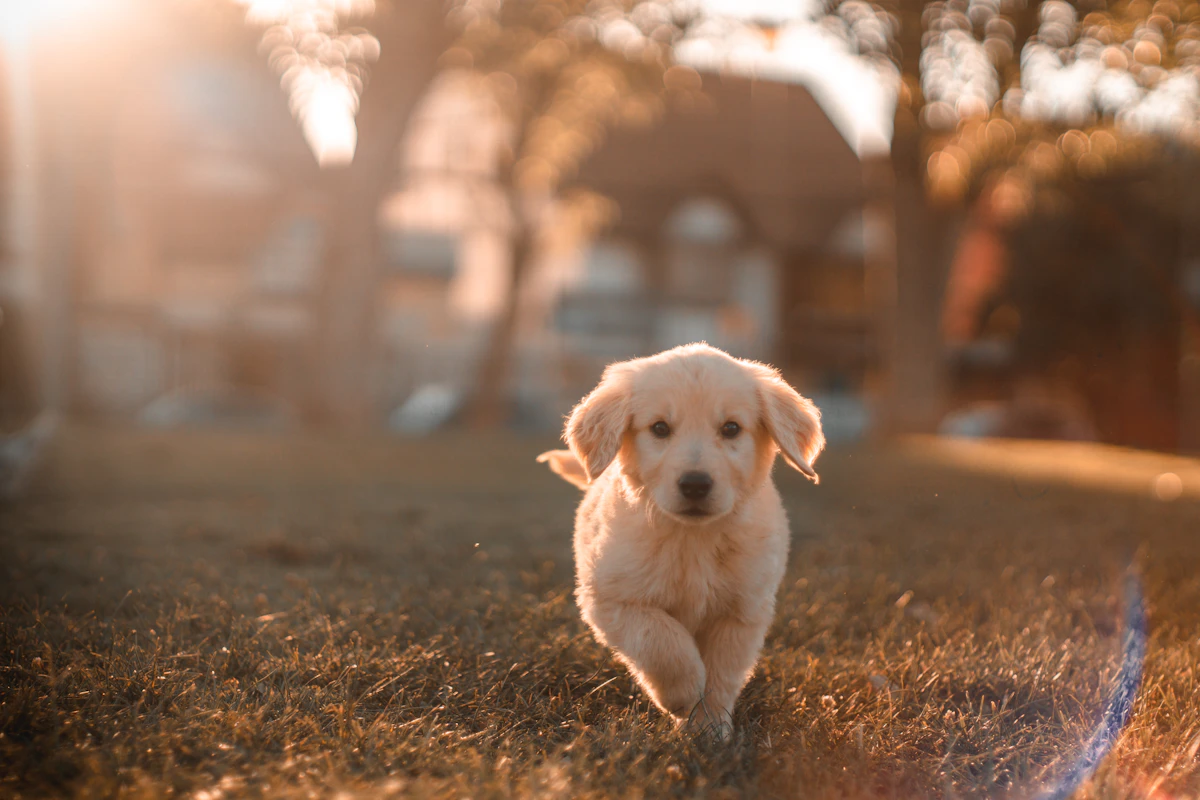
The Art of Play
More Than Just a Toy: It’s a Bridge of Love, Growth & Learning
The right toy is never just an object—it is an invitation to a healthier, happier life. For your puppy, deliberate play provides essential physical exercise, profound mental enrichment, and invaluable moments of shared joy that strengthen your lifetime bond. From gentle texture discovery to interactive puzzle solving, we curate experiences designed to nurture natural instincts while beautifully complementing your home. Here is how to choose the best toys for your dog, step by step.
Explore Our GuideEnrichment & Stimulation
Why Toys Are Important for Dogs
Toys are far more than mere playthings; they are essential for your dog's mental and physical health. Interactive play cures boredom, channels instinctual hunting habits productively, and prevents common anxiety-induced behaviors. Engaging with varied textures and puzzle designs stimulates their brain, ensuring they remain calm, curious, and deeply fulfilled within your home environment. Knowing why toys matter helps you choose the best toys for your dog.
Curated Dimensions
Consider Your Dog's Size
Selecting size-appropriate toys is critical for a safe play experience. Items that are too small pose immediate swallowing and choking hazards, while oversized toys may frustrate small jaws and cause dental strain. Aligning a toy's scale and durability with your dog's distinct weight class and bite strength guarantees both a secure environment and an appropriately challenging playtime. The Humane World for Animals also warns that toys that are too small can be swallowed or become lodged in a dog’s throat.
NATURAL INSTINCTS
Understand Your Dog's Play Style
Chewing
Satisfies innate oral drives, keeps teeth clean, and relieves puppy anxiety.
Fetching
Builds cardiovascular stamina, teaches reliable recall, and strengthens focus.
Tugging
Fosters collaborative team play, builds confidence, and tests self-control.
Chasing
Satisfies predatory drive safely through toys, flirt poles, or running games.
Squeaking
Provides sensory feedback, appealing to high-arousal and highly auditory breeds.
Puzzle-Solving
Tests cognitive capability, fights boredom, and tires dogs out mentally.
Independent Play
Encourages self-soothing, builds independence, and eases separation anxiety.
Different Types of Dog Toys
Every dog plays differently. Discover our curated breakdown of toy categories designed to stimulate, comfort, and engage your canine companion based on their breed and play style. Use this section to choose the best toys for your dog by type. See 10 easy ways to keep your dog happy and entertained at home.

Durable Chews
Engineered from premium non-toxic rubber for intense chewers. Crucial for heavy-jawed breeds like Labradors and Mastiffs to release energy safely. See how to stop your dog from chewing everything.

Interactive Puzzles
Interactive designs that reward problem-solving with treats. Essential for active, working breeds like Border Collies and German Shepherds.

Tug & Toss Ropes
Woven cotton designs that clean teeth while playing. Perfect for active terriers, herding dogs, and high-energy sessions of tug-of-war.

Balls & Fetch Toys
Classic high-bounce, pet-safe tennis and rubber balls. Unbeatable exercise for fetch-obsessed retrievers, spaniels, and athletic pointers. The AKC warns that the fuzz on tennis balls can act like sandpaper on tooth enamel, so consider balls made for dogs and supervise fetch.

Sensory & Snuffle Mats
Mimics outdoor grass foraging to reduce anxiety and calm nerves. Highly beneficial for senior dogs, busy puppies, and scent-driven hounds.
TOY MATERIALS
Choose the Best Toys for Your Dog by Material
Durable Rubber
Solid rubber toys can stand up to chewing and can be stuffed with treats. The AKC suggests choosing a ball or toy made of durable rubber. Pick a size your dog cannot swallow. Replace rubber toys when they crack or start to chunk. It is one of the easiest ways to choose the best toys for your dog if they love to chew.
Rope and Fabric
Rope and braided toys suit tug and carry-around play. Check for loose strings that could be swallowed, and throw the toy away if it starts to unravel. Trim loose threads rather than pulling them, and replace worn rope toys.
Plush
Soft plush toys are great for gentle carry-around play, but determined chewers can tear them apart. Remove stuffing and loose parts right away, and supervise play. Wash plush toys regularly, and skip them for dogs that swallow stuffing.
Balls
Choose a ball made for dogs and sized so it cannot be swallowed. The AKC warns that tennis balls, even those made for dogs, can abrade tooth enamel, and PDSA notes that damaged balls can break apart. Keep balls larger than your dog’s mouth and throat so they cannot be swallowed.
Puzzle and Lick Toys
Puzzle toys and lick mats give your dog something to work on, which can reduce boredom. Choose one that matches your dog’s skill, and supervise at first. See how to tell if your dog is bored. Start with easy puzzles, then raise the difficulty as your dog learns.
Chews to Approach With Care
Some chews, such as rawhide, can pose choking risks and should be offered only under close supervision, or avoided for strong chewers. Ask your vet which chews suit your dog. Ask your vet before giving any new chew, especially to puppies and small dogs.
Choosing Safe Dog Toys
Your companion's well-being begins with conscious play. Choosing the right toy requires understanding their chewing habits and physical limits. Ensure every play session is both enriching and secure with our foundational safety guidelines. The AKC stresses choosing a ball or toy your dog cannot swallow, and PDSA says to replace damaged toys straight away.
- Size Matters: Toys must be appropriately scaled to your dog's size to entirely eliminate accidental swallowing.
- Quality Construction: Prioritize heavy-duty, non-toxic materials with tightly reinforced safety seams.
- No Small Parts: Steer clear of loose squeakers, plastic eyes, or bells that are easily chewed off and ingested.
- Regular Inspections: Perform weekly checks. Immediately discard toys showing structural wear, tears, or sharp edges.
- Supervision is Key: Always monitor your dog during their initial sessions with any newly introduced toy style.
No Toy is Indestructible
Despite brand claims, high-energy chewers can break down even the toughest rubber or synthetic materials. Always monitor your pet, perform quick checks before and after play, and immediately remove toys once structural damage begins to show. See how to stop a puppy from biting for puppies who chew on everything.
Dog Toy Safety Checklist: Inspect, Clean, and Replace
A few minutes of care keeps favorite toys safe. The Humane World for Animals advises buying toys of an appropriate size, supervising play with squeaky toys, and replacing damaged toys, and PDSA says to replace a cracked, torn, or breaking ball straight away. Use this checklist each week to choose the best toys for your dog and keep them safe.
- Check toys before and after play: Look for cracks, tears, or loose parts.
- Wash regularly: Clean toys with soap and water to prevent buildup.
- Throw away worn toys: Discard toys that are chewed through or breaking apart.
- Supervise new toys: Watch closely with new toys, squeakers, and ropes.
- Store toys when you cannot watch: Put chew toys away when you leave the room.
If Your Dog Swallows a Toy Piece
PDSA advises contacting your vet immediately if your dog is choking, struggling to breathe, or has swallowed pieces of a damaged toy. Signs such as vomiting after swallowing toy pieces also need a call to your vet.
DEVELOPMENTAL STAGES
Toys for Puppies vs. Adult Dogs
A dog's developmental stage completely changes their toy requirements. Puppies have delicate, growing teeth and high chew urges, requiring soft, flexible rubber. Adult dogs have strong jaws and cognitive needs, necessitating durable materials and strategic, mentally stimulating puzzle play.
- Puppyhood: Soft, texturized teething toys for soothing sore gums.
- Adult Stage: High-durability fetch & puzzle toys to satisfy curiosity.
- Seniors: Soft plush and low-impact toys tailored for gentle play.
THE RULE OF FIVE
How Many Toys Does a Dog Need?
Over-stimulation is a common pitfall. Instead of giving your dog access to dozens of toys at once, maintain a selection of 10-15 high-quality toys and only keep 4-5 active. Rotating them weekly preserves novelty, enhances focus, and makes older toys feel brand new. See how to tell if your dog is bored.
- Active Rotation: Rotate active toys weekly to prevent boredom.
- The 5-Toy Category Mix: 1 chew, 1 comfort, 1 puzzle, 2 interactive.
- Interactive Play: Keep high-value training toys exclusively for joint play.
WHEN YOU ARE OUT
Best Toys for Alone Time
Choose the best toys for your dog’s alone time by picking durable, size-appropriate options, and try them while you are home first. See how to teach your dog to be alone at home.
- Stuffed rubber toys: Slow, calm chewing
- Puzzle feeders: Sized for your dog and supervised at first
- Lick mats: Gentle, soothing activity
- Rotation: Keep the departure routine feeling fresh
RAINY DAYS AND TRAVEL
Best Toys for Busy Days
Indoor days and road trips call for toys that are easy to pack and safe without constant handling. See how to keep your dog comfortable on rainy days and traveling with your dog. Rotation is another smart way to choose the best toys for your dog without buying more.
- Snuffle mats and scent games: Calm indoor enrichment
- Sturdy rope toys: Short, supervised tug sessions
- Familiar chew toy: A comfort item from home
- Packable puzzle toy: Easy to bring along
Dog Toy Match Guide
Find the perfect match for your pup's play style. From aggressive chewers to clever puzzle solvers. Browse our dog toys. Use it to choose the best toys for your dog by play style.
For Chewers
Durable Rubber Toys
Engineered with reinforced non-toxic compound. Resists dental abrasion and provides a safe outlet for chewing instincts.
Explore DurableFor Fetchers
High-Bounce Balls
High-visibility, extreme bounce capability, and water-buoyant designs. Built to trigger high-speed chase sequences.
Explore BallsFor Thinkers
Interactive Puzzles
Mentally stimulating puzzle formats that reward curiosity. Perfect for treating anxiety and channeling focused energy.
Explore Puzzles
FIRST PLAYTIME
How to Introduce a New Toy: Choose the Best Toys for Your Dog’s Style
Inspect First
Remove tags and packaging, and check seams, parts, and edges before your dog touches the toy. If anything looks loose or damaged, do not give the toy to your dog.
Show and Sniff
Let your dog sniff and investigate the new toy before you start playing. Keep the mood calm and friendly. Rewarding calm interest can help your dog feel positive about the toy.
Supervise the First Sessions
Watch how your dog plays with a new toy, especially squeaky toys. The Humane World for Animals advises supervising play with squeaky toys. Remove the toy if your dog starts tearing pieces off.
Match Play Style
If your dog tears plush toys apart, switch to a durable option. If your dog loses interest, try a different type of toy. Notice which textures and shapes your dog loves, and choose more like them.
Rotate and Refresh
Keep a few toys out at a time and rotate them to keep play interesting. See 10 easy ways to keep your dog happy and entertained at home. Store spare toys out of reach so they feel new when they return.
Frequently Asked Questions
Find clear, premium guidance on curated play, puppy safety, and choosing the perfect companions for your dog's lifestyle. Start with how to choose the best toys for your dog.
What are the best toys for cozy puppies?
We recommend premium natural rubber toys and double-stitched organic cotton ropes. These materials are exceptionally gentle on developing teeth while providing satisfying textures for curious young chewers.
How do I choose the correct toy size?
Always select toys that cannot fit entirely inside your puppy's mouth. When in doubt, size up to prevent accidental swallowing or choking, especially during energetic or unsupervised moments.
Are plush toys safe for aggressive chewers?
While beautifully designed, plush toys can be easily torn apart by determined chewers. For aggressive puppies, we suggest transitioning to reinforced ballistic canvas or solid natural rubber alternatives.
When should I replace a worn-out toy?
Inspect playthings daily. Replace them immediately if you notice torn seams, exposed polyfill stuffing, missing pieces, or deep cracks where dangerous bacteria might easily collect.
How do puzzle toys benefit my dog?
Puzzle toys stimulate your puppy's developing cognitive faculties, lower ambient anxiety, and significantly curb destructive behaviors by transforming standard playtime into a rewarding mental challenge.
How many toys should my puppy have access to at once?
We recommend keeping three to four distinct toys active and rotating them weekly. Toy rotation keeps your puppy highly engaged and prevents them from growing bored with their curated selection.
Is constant supervision required during play?
Yes, particularly with brand-new toys. No toy is completely indestructible, and supervising their initial play sessions ensures you can intervene quickly if a toy begins to break or wear down.
How do I choose the best toys for your dog?
Match the toy to your dog’s size, age, chewing style, and play style, choose durable toys made for dogs, and avoid loose small parts. Supervise new toys, inspect them often, and replace damaged ones.
Are tennis balls safe for dogs?
Tennis balls are popular for fetch, but the AKC warns that the fuzzy covering can wear down tooth enamel and that balls can break apart. Supervise fetch, do not let your dog use them as chew toys, and consider balls made for dogs.
Are squeaky toys safe?
Squeaky toys can be fun, but the Humane World for Animals advises supervising play with them. Remove the toy if the squeaker is exposed or your dog tears the toy open.
How often should I clean dog toys?
Wash toys regularly with soap and water to prevent buildup, and wash them more often if they are slobbery or muddy. Discard toys that are damaged or cannot be cleaned well.
What toys are best for senior dogs?
Soft plush, snuffle mats, and gentle puzzle toys can suit seniors, but choose toys that are easy on sore jaws and joints. Ask your vet if your dog has dental problems.
How do I choose the best toys for your dog if they destroy everything?
Start with solid, durable rubber toys sized so they cannot be swallowed, supervise play, and add puzzle toys and chews to channel the urge. No toy is indestructible, so inspect and replace often. See our guide on how to stop your dog from chewing everything.
What toys are best for teething puppies?
Soft, flexible rubber or textured teething toys made for puppies are common choices. Choose sizes that cannot be swallowed, supervise play, and see our guide on how to stop a puppy from biting if your puppy chews everything.
How many toys does my dog need?
Many owners keep a small group of toys available and rotate them weekly, which helps keep play interesting. Aim for variety, such as a chew, a comfort toy, and a puzzle, rather than a large pile.
Bring Cozy Comfort to Every Playtime
Our puppies deserve spaces and playthings that nurture their well-being and elevate our homes. Create warm, beautiful memories with toys crafted for cozy moments, gentle chewers, and joyful hearts. We hope this guide helps you choose the best toys for your dog with confidence.
Explore the CozyPuppies Dog Toys Collection