Delivery Throughout the USA 🇺🇸
For Pets with Style — Cozy Puppies Has It All!
Premium Pet Wear & Beds for Your Furry Friend 🐾
COZY CANINE WELLNESS

Do Dogs Need Their Own Bed? 7 Reasons a Dedicated Sleep Space Helps

Explore why a dedicated resting spot is essential for your dog’s comfort and security.

Read the Guide

VOLUME 02 / SANCTUARY & DESIGN

Does Your Dog Really Need Their Own Bed?


Even if your dog loves reclaiming the best corner of the sofa or curling up at the foot of your mattress, sharing your communal living spaces isn't always enough. A dedicated bed provides something far more fundamental than simple cushioning: it is a consistent, secure retreat tailored entirely to their instinctual needs. The AKC says dogs should have a bed of their own, so they can relax in a spot dedicated to them even when you are not there. So, do dogs need their own bed? In most homes, yes.

Having their own designated sanctuary influences their emotional stability, physiological health, and integration into your home. Below, we introduce the 7 critical reasons why a dedicated, high-quality sleeping space is essential for your dog’s well-being. See how to choose the perfect dog bed and how to choose a washable dog bed.

Quick answer: do dogs need their own bed? In most homes, yes. The AKC says dogs should have a bed of their own so they can relax in a spot dedicated to them, even when you are not there, and a cozy bed matters even more if your dog does not sleep on your bed. Place it in a quiet, draught-free spot, and let your dog choose when to use it.

CozyPuppies Premium Editorial

7 Reasons Your Dog Benefits From Having Their Own Bed

A dedicated sleeping space isn't just a comfort for your companion—it is a fundamental pillar of their physical health, emotional security, and overall sense of belonging in your home. If you are asking, “Do dogs need their own bed?” these seven reasons explain why it helps.

01

Dedicated Place to Rest

Having a designated spot gives your dog a true sense of security and absolute ownership, allowing them to fully unwind on their own terms. See 7 simple ways to make your dog feel more comfortable at home.

02

Everyday Comfort

High-quality orthopaedic support cradles delicate joints, relieving pressure points that are vital for both growing pups and beloved senior dogs. See how to create the perfect sleeping space for a senior dog and what a puppy should sleep in.

03

A Familiar Retreat

When life gets loud, a personal bed acts as a quiet haven where your companion can decompress, sleep, and fully recharge in comfort. See how to help a nervous dog feel more comfortable at home and how to teach your dog to be alone at home.

04

Better Than a Hard Floor

Sleeping on cold, unyielding floors can exacerbate pain and expose your pet to uncomfortable drafts and temperature fluctuations. The AKC adds that if you do not let your dog in your bed, it is even more important for your dog to have a cozy spot that is not the floor.

05

A Calm Place During Busy Moments

Manage dynamic social moments or arriving guests gracefully by teaching your dog to head to their designated space of calm sanctuary. Reward your dog with a treat each time they settle in their bed during visits.

06

Helps Protect Your Furniture

Concentrating rest into one dedicated spot keeps natural dander, hair, and dirt beautifully contained instead of lingering on shared home furniture. Washing the bed cover regularly keeps the whole spot fresh.

07

Supports a Consistent Routine

A predictable sleeping arrangement reinforces daily patterns and positive bedtime habits, encouraging long-term cognitive and physical health. See how to build a daily routine your dog will love.

EXPERT ADVICE

Do Dogs Need Their Own Bed? What the AKC Says


01

The AKC Says Yes

The AKC says that although you might find your pup snuggled at your side during the night, dogs should have a bed of their own, so they can relax in a spot dedicated to them even when you are not there. It adds that if you do not let your dog in your bed, it is even more important to provide a cozy place to sleep that is not the floor. So, do dogs need their own bed? In most homes, yes, and a good bed supports comfort, routine, and rest. A bed also gives your dog a predictable place to settle after walks, meals, and busy moments.


02

Even If Your Dog Sleeps in Your Bed

Do dogs need their own bed if they already share yours? Still yes, in most cases. The AKC’s guide to co-sleeping describes benefits for some owners, but it also gives practical limits: small breeds and senior dogs can be easily injured if they jump or fall off a taller bed, so consider giving them their own bed on the floor right next to you, or dog stairs. See dog bed vs. dog crate. Make sure any dog stairs are sturdy and have a non-slip surface.


03

When a Separate Bed Matters Most

The AKC advises that if your dog shows aggression or another problem behavior that is made worse by co-sleeping, you should give your dog their own sleeping space while you consult a professional trainer, a behavior consultant, or your veterinarian. A dedicated bed also helps puppies learn routines and dogs that need a quiet retreat. See what a puppy should sleep in and how to create the perfect sleeping space for a senior dog. A calm, consistent routine makes any sleeping arrangement easier for your dog.

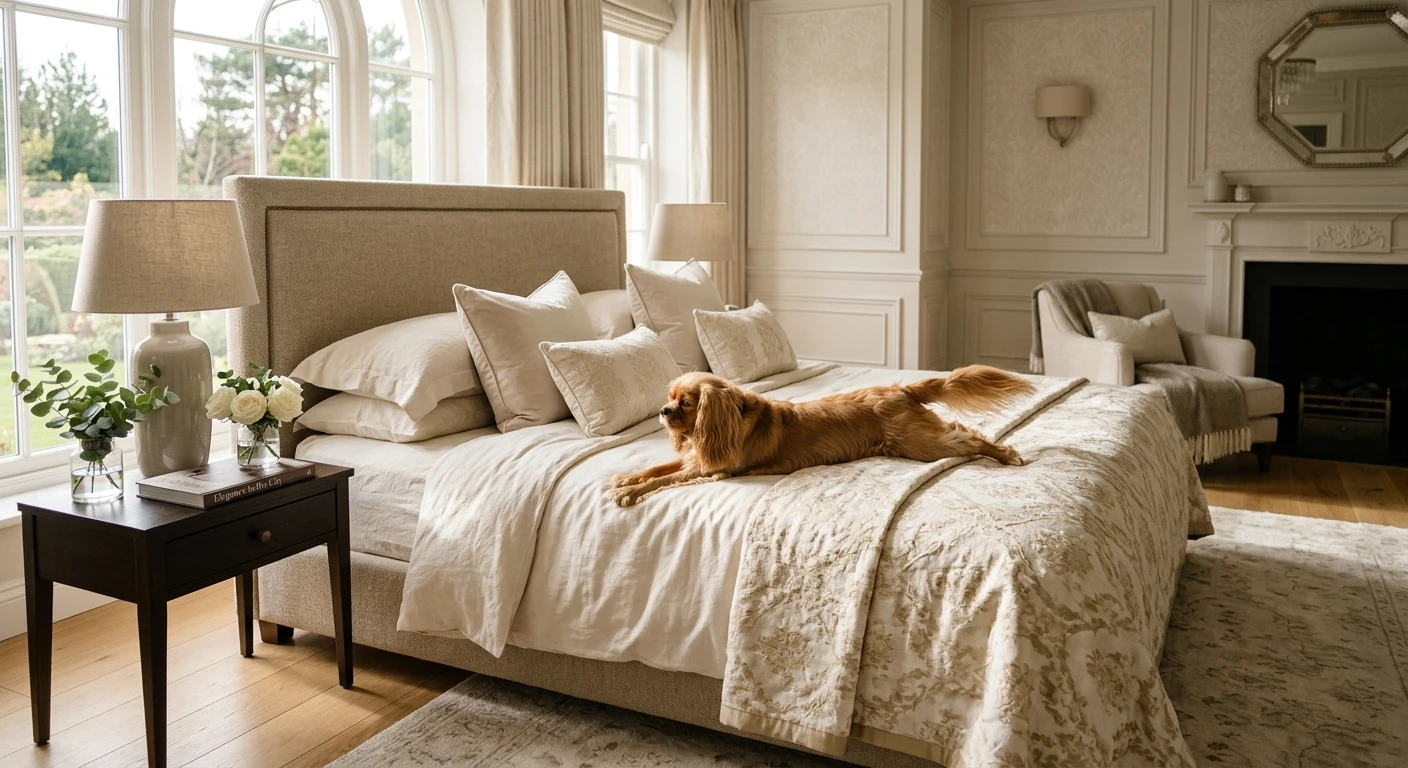
A dog resting in its own cozy bed: do dogs need their own bed?

THE COZYPUPPIES PHILOSOPHY

Three Pillars of Premium Canine Rest


01. Dedicated Rest Areas

A designated resting sanctuary conditions your puppy's nervous system to recognize security. Setting aside a dedicated bed teaches them where to switch off, preventing sleep disturbances and establishing an active circadian rhythm. Consistency helps your dog know when it is time to rest.

02. Orthopedic Comfort

As dogs stretch and decompress, their joints require optimal pressure relief. High-quality support relieves pressure points, aligns their posture, and allows for full physical recovery from active daily plays. Choose padding that suits your dog’s size, age, and health.

03. Mental Security

A supportive bolster design provides an instinctive sense of protection. Enclosed, cozy boundaries make puppies feel less vulnerable to external room noise, helping them drift effortlessly into deeply therapeutic REM sleep. Let your dog sniff and explore the bed before you ask them to use it.

PLACEMENT

Do Dogs Need Their Own Bed? Where to Put It


01

Choose a Quiet, Draught-Free Spot

The RSPCA suggests a spot that is quiet, away from noises such as the television, and draught free, away from doors or areas where temperatures change. PDSA says a dog’s bed should be comfortable and somewhere quiet they can relax, with space to stretch out or curl up. Keep the bed away from heaters and direct sun so your dog stays comfortable.


02

Stay Close to the Family

Many dogs like to be near their people. A bed in the living room or your bedroom lets your dog relax without feeling isolated, while still having a place that is theirs. Keep it out of main walkways so your dog is not disturbed. See 7 simple ways to make your dog feel more comfortable at home. If your dog moves around the house, a second bed in another room can help.


03

Let Your Dog Choose

PDSA says all dogs need somewhere they can feel safe and escape to when they want to relax. The RSPCA advises letting dogs enter and leave as they wish, offering toys and treats to encourage them, and never forcing them in. Do not disturb your dog while they rest there, and ask children to leave the bed alone. See how to help a nervous dog feel more comfortable at home. Praise or reward your dog the first few times they settle there on their own.

COMMON INQUIRIES

Do Dogs Need Their Own Bed? Frequently Asked Questions


Back to Table of Contents

Do dogs need their own bed?

Yes, dedicated beds provide critical orthopaedic support, insulate your dog from cold drafts, and foster a healthy sense of safety and personal territory within your shared home environment.

We recommend placing it in a quiet, draft-free corner of a room where your family naturally gathers, such as the living room or your bedroom. This allows them to relax without feeling completely isolated from daily activities.

Measure your dog from the tip of their nose to the base of their tail while they are in a natural sleeping position. Add 6 to 12 inches to that length to ensure they can stretch out fully and rest comfortably. See how to tell if your dog’s bed is too small.

Absolutely. High-density orthopedic foam relieves painful pressure points, aligns their skeletal structure, and offers essential therapeutic relief for senior dogs, active breeds, or those experiencing joint issues.

To maintain optimal hygiene and reduce build-up of dander, dust mites, and odors, we recommend washing the removable outer protective cover in a gentle machine cycle once every one to two weeks. See how often to wash your dog’s bed.

While safe, we advise starting with a slightly smaller, more cozy puppy-sized bed. This minimizes high drops, prevents accidents in oversized corners, and provides the nesting, enclosed feel that puppies naturally crave.

Look for CertiPUR-US® certified foams, organic upholstery cotton, natural linens, and non-toxic water-resistant linings that are entirely free of heavy metals, formaldehydes, and flame retardants.

Redirect chewing to safe toys and opt for premium covers made of highly durable ballistic nylon or tightly woven heavy canvas. Ensuring they get plenty of physical and mental exercise also naturally reduces nervous chewing.

Yes, absolutely. Digging, circling, and nesting are deeply rooted instinctual behaviors carried over from wild ancestors attempting to clear a safe, warm, and concealed hollow for sleeping.

Yes, beds with raised bolsters or high-walled structures provide physical walls that mimic a cozy den, which naturally offers security, supports head placement, and helps soothe anxious pets.

A premium, high-density memory foam bed featuring durable covers will typically last between 3 to 5 years, maintaining its supportive structure and elasticity much longer than cheap fiber-filled options. See how often to replace your dog’s bed.

Slowly transition them by keeping a familiar, unwashed blanket on the bed to retain a comforting scent. Reward them with positive verbal praise and treats whenever they choose to step on or lay down in their new space.

Yes, it is still a good idea. The AKC says dogs should have a bed of their own so they can relax in a dedicated spot even when you are not there. The AKC also notes that small and senior dogs can be injured jumping off a tall bed, and suggests a bed on the floor next to yours.

A puppy bed gives your puppy a safe, dedicated place to rest and helps build a routine. Choose a size and material that suits your puppy, and check for chewing. See our guide on what a puppy should sleep in.

Dogs can rest on the floor, but the AKC says that if you do not let your dog in your bed, it is even more important to provide a cozy spot that is not the floor. Hard, cold floors can be uncomfortable, especially for older dogs.

Yes. The AKC notes that small breeds and senior dogs can be easily injured if they jump or fall off a taller bed, and it suggests giving them their own bed on the floor right next to you.

Many dogs like to sleep near their people. Put the bed in a quiet, draught-free spot, and let your dog choose whether to use it. The RSPCA advises that dogs should be able to enter and leave their safe space as they wish.

Try a different spot, add a familiar blanket, and reward your dog with treats when they choose the bed. Never force your dog onto it. See our guide on how to help a nervous dog feel more comfortable at home.

It depends on your dog. A crate can be a cozy den if your dog likes it and the door stays open, while an open bed gives freedom to move. See our guide to dog bed vs. dog crate.

Older dogs often benefit from soft, supportive padding that is easy to step onto. The AKC notes that orthopedic beds can relieve senior dogs and dogs with joint or hip pain. Ask your vet about joint concerns.

A familiar bed or blanket can help your dog settle in a new place. Bring it along, put it in a quiet spot, and let your dog explore it before bedtime.

Many dogs nap in several spots, but a bed in the main living area gives your dog a comfortable place to rest during the day. Watch where your dog prefers to sleep, and place the bed there.

Dogs can overheat, so choose a breathable bed, place it away from direct sun, and give extra water and shade. See our guide on how to keep your dog cool in summer.

A COZYPUPPIES GUIDE

Choosing the Right Dedicated Sleep Space

Your puppy's well-being begins with a deeply restful sleep. Finding their ultimate sanctuary comes down to three key essentials: Browse our dog beds.


Explore the CozyPuppies Dog Beds Collection