
Why Does My Dog Cry When I Leave? Common Causes & Solutions
A guide for dog owners to understand and improve their dog's behavior when left alone. Many owners ask, “Why does my dog cry when I leave?” and the answer is usually that being alone is hard for your dog.
Quick answer: why does my dog cry when I leave? Usually because being alone is hard for your dog. Causes include attachment, boredom, a routine change, and true separation anxiety. Keep departures calm, add exercise and enrichment, build alone time gradually, and never punish. The RSPCA recommends no more than four hours alone for adult dogs, and much less for puppies.

COMMON CAUSES
Attachment
An over-reliance on a single person can trigger acute panic when that bond is temporarily severed.
Difficulty Adjusting
Struggling to comprehend the transition between family presence and quiet, empty spaces.
Separation Distress
A genuine panic response triggered by departure cues, manifesting in crying, howling, or pacing.
Anxiety
General underlying nervousness that spikes when environmental cues signal they are alone.
Boredom
A simple lack of entertaining toys or comforting activities to keep their mind occupied.
Lack of Independence
Not having learned the self-soothing behaviors required to feel secure without human guidance.
Routine Changes
Sudden shifts in work hours, school seasons, or daily timetables can destabilize a dog's expectations.
Under-Stimulation
Unused mental and physical energy that aggregates into anxiety and distress once left alone.
New Home
Moving to an unfamiliar setting with new sounds can temporarily destroy their sense of safety.
Age-Related Changes
Puppies learning boundaries, or older dogs facing cognitive decline, may feel increasingly vulnerable. Age can change why does my dog cry when I leave, so adjust your plan.
Medical Concerns
Underlying health issues, pain, or discomfort can exacerbate feelings of insecurity when alone. Rule out health problems first when you ask why does my dog cry when I leave.
Does My Dog Have Separation Anxiety or Just Miss Me?
It is completely natural for our canine companions to feel a brief pang of sadness when we close the front door. However, there is a distinct clinical line between normal post-departure distress and a profound panic response. Understanding this difference is the first step toward restoring peaceful solitude for your companion. So, why does my dog cry when I leave? Often it is distress, not spite. The ASPCA says dogs with separation anxiety usually show distress behaviors within a short time after being left alone, often within minutes. See how to help a dog with separation anxiety and how to teach your dog to be alone at home.
The Signs of Clinical Anxiety
Unlike mild distress, clinical separation anxiety triggers a sympathetic nervous system hijack. Keep an eye out for these persistent physical and behavioral markers: The AKC lists pacing, whining, trembling, excessive barking or howling, destructive chewing or digging near doors and windows, and house accidents among the signs.
- Persistent vocalization (whining, howling)
- Pacing or restless wandering
- Excessive drooling or salivation
- Destructive behavior (doors, molding)
- Escape attempts (scratched exit points)
- Involuntary accidents inside the home
- Heavy panting despite cool temperature
- Complete inability to settle or rest
- Extreme hyper-excitement upon your return
Refined Decision Path
Follow this assessment timeline to trace your dog's behavioral cycle during your next departure sequence.
- 1. Departure Cue (keys, shoes, or jacket)
- 2. Dog Becomes Alert (intense watching, following)
- 3. Owner Leaves (the physical exit and silence)
- 4. Dog's Response (the critical first 30 minutes)
- 5. Identify Pattern (distinguish anxiety from whim)
- 6. Choose Training Strategy (deliberate counter-conditioning)
Observed Outcomes
Settles Quickly (Normal)
Dog may whine briefly but relaxes and sleeps within 10 to 15 minutes. This is standard healthy behavior.
Continues Whining (Needs Practice)
Mild boundary frustration. Dog complains but lacks panic symptoms. Responds beautifully to simple crate games and departure cues training.
Pacing / Panic (Professional Help)
Sustained physiological panic (panting, scratching walls, non-stop pacing). Requires structured desensitization protocols and certified behavioral support.
UNDERSTANDING CANINE BEHAVIOR
Why Do Dogs Cry When Their Owners Leave?
01
Social Attachment
Dogs are natural pack animals with an inherent drive to remain close to their family group, viewing human companions as their ultimate source of security. Dogs are social animals, and many feel safest when someone they trust is nearby.
02
Learned Associations
They quickly learn to link daily patterns—such as the sound of keys, putting on boots, or packing a bag—with the reality of being left behind. This is one more answer to why does my dog cry when I leave.
03
Changes in Routine
Unpredictability disrupts a dog's internal clock. Sudden variations in your work hours or feeding schedule can cause severe, unexpected stress. Routine changes are a common reason behind why does my dog cry when I leave.
04
Uncertainty
Unlike humans, dogs cannot comprehend the concept of future time. When you step out, they have no intrinsic guarantee that you will return.
05
Lack of Experience
Puppies or newly adopted dogs often haven't built up the psychological reassurance that temporary solitude is safe and always ends in reunion. Inexperience also helps explain why does my dog cry when I leave in the first weeks.
06
Fear & Anxiety
In severe instances, isolation triggers genuine panic. This physiological distress leads to repetitive crying, pacing, and destructive behaviors. Severe fear is the most serious answer to why does my dog cry when I leave.
CONNECTED CARE
Staying Close from Afar with Smart Monitoring
Integrating a home camera with premium audio monitoring offers real-time peace of mind. By observing your dog's behaviors when home alone, you pinpoint key triggers immediately. High-quality systems allow you to reassure your puppy with calming, remote two-way audio—bridging the distance until you return. Test two-way audio carefully, because hearing your voice without seeing you can upset some dogs. If your dog gets more worked up, turn it off and use the camera only to observe.
Teach Your Dog to Be Alone
EXPERT ADVICE
Why Does My Dog Cry When I Leave? What the Experts Say
02
Never Punish the Crying or the Mess
The AKC says that if you return home to damage or accidents, you should not punish your dog, because it will only add to their anxiety and worsen the problem. The RSPCA gives the same advice: never punish your dog, and do not show disapproval if something undesirable happened while you were out.
03
Treat It With Gradual Training
The ASPCA says mild cases may improve with counterconditioning, which builds a link between being alone and good things such as delicious food, while moderate or severe cases need a more complex desensitization and counterconditioning program. The AKC suggests desensitizing your dog to the signs you are about to leave and rewarding calm behavior. Ask your vet or a qualified behaviorist for help if signs are strong. See how to help a dog with separation anxiety.
BEHAVIORAL INSIGHTS
Signs Your Dog May Be Struggling With Being Alone
- Following your every move (velcro behavior)
- Subtle anxiety at departure cues (keys, shoes)
- Persistent whining, howling, or barking
- Restless pacing or inability to settle down
- Scratching at doors, gates, or window sills
- Destructive chewing of household items
- Excessive drooling or panting when left
- Unexpected toileting indoors while alone
- Refusing high-value food or puzzle toys
- Extreme, frantic excitement upon your return
The Gradual Alone-Time Training Plan
01
Very Short Separation
Step behind a closed door for just a few seconds. Do not leave the house yet. The ASPCA warns that exposing dogs to durations that are too long provokes anxiety and worsens the problem, so let your dog’s response set the pace.
02
Calm Return
Re-enter only when your puppy is quiet. Keep your greeting completely neutral.
03
Repeat
Practice this micro-departure multiple times a day until it is routine.
04
Slightly Longer
Gradually stretch the duration to one minute, then two, walking away.
05
Reward Calm
Ensure they associate your absence with cozy comfort, like a safe toy.
06
Gradually Increase
Slowly build up to 15, 30, and 60 minutes. Maintain a patient pace.
The Art of Cozy Solitude
A mindful guide to nurturing your puppy's independence, cultivating low-stress departures, and setting up a warm, inviting environment for peaceful alone time.
Create a Calm Departure Routine
The moments leading up to your exit set the emotional tone for your dog's alone time. Begin by preparing your keys, bag, and coat up to an hour before you actually step out—effectively decoupling these actions from immediate departures. When it is time to leave, keep your exit entirely low-key and neutral; avoid dramatic, emotional goodbyes that signal a high-stakes transition. By practicing quiet, low-arousal departures, you naturally teach your pup that your leaving is simply a normal, non-threatening event. The AKC suggests desensitizing your dog to departure cues, such as picking up your keys or putting on your coat and then making dinner instead of leaving.
Make Alone Time More Comfortable
A thoughtfully curated home environment acts as an immediate comforting buffer against separation distress. Designate a peaceful nesting area with high-quality, plush bedding that carries your familiar scent. Introduce safe, engaging mental enrichment tools—such as slow-feeding puzzle toys or frozen treats—specifically reserved for when you are away. Additionally, maintain a cool, steady temperature, and mask sudden outside neighborhood noises with soothing ambient white noise or gentle classical playlists. See do dogs need their own bed, 7 simple ways to make your dog feel more comfortable at home, how to choose the best toys for your dog, and how to stop your dog from chewing everything.

Before You Leave: Calm Departure Checklist
- Prepare keys and your bag 30 minutes early to separate triggers.
- Complete a quiet, focused sniff-walk prior to leaving.
- Ensure the indoor temperature is set to a cool, steady comfort level.
- Provide safe, high-value mental enrichment like a frozen toy.
- Place clean, plush bedding carrying your reassuring scent.
- Turn on soft white noise or classical melodies to block sudden sounds.
- Keep all exits completely quiet and neutral without saying goodbye.
- Double-check that all hazards and unsafe chewables are out of reach.
- Keep initial training absences short to build continuous trust.
- Return with absolute calm, ignoring excitement until they fully settle.
ALONE TIME
How Long Can You Leave Your Dog Alone?
01
Adult Dogs
The RSPCA recommends that you do not leave your dog alone for more than four hours. Many dogs need less, especially dogs that struggle with being alone, because they may start feeling anxious within minutes of you leaving, or even before you leave. See how to teach your dog to be alone at home.
02
Puppies
The RSPCA says puppies should be left for much less than four hours. A common guideline is about one hour per month of age, but treat that as a maximum, not a target, and build up slowly. See how long a puppy can hold its bladder and how to potty train a puppy.
03
Break Up the Day
The RSPCA suggests using a dog sitter or dog walking service so that someone can keep your dog company and take them for a walk. A midday visit, a trusted neighbor, or a flexible work-from-home day can also shorten the longest stretch. See how to build a daily routine your dog will love.
Exercise and Mental Stimulation Before You Leave
A peaceful departure begins hours before you say goodbye. True canine exhaustion isn't just physical—it's deeply cognitive. See how often to walk your dog, how much exercise a puppy needs, and 10 easy ways to keep your dog happy and entertained at home. Exercise is a simple fix when you ask why does my dog cry when I leave.
Before leaving, swap high-intensity games like fetch—which spike cortisol and adrenaline—for structured mental enrichment. A twenty-minute structured sniff walk, light obedience training, or an intricate food puzzle engages their natural problem-solving instincts. These activities stimulate the prefrontal cortex, bringing your dog to a state of natural, deep-resting satisfaction that transitions beautifully into alone time.
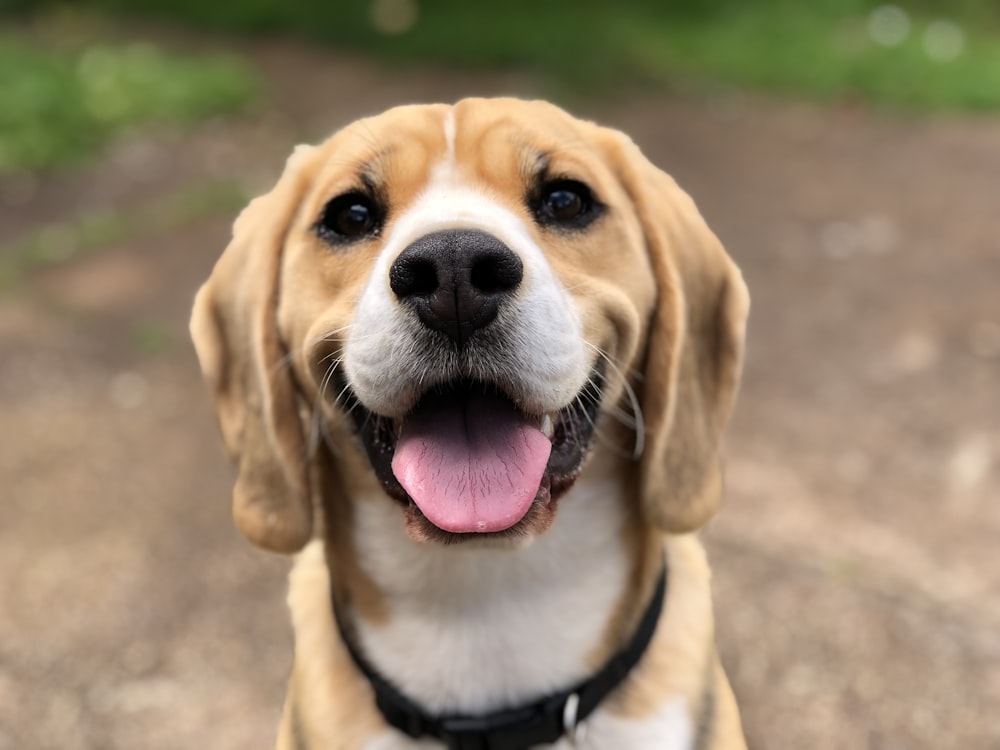
What If Your Dog Cries as Soon as You Pick Up Your Keys?
For sensitive dogs, departure cues are an immediate trigger for panic. Through systematic desensitization, we break the link between your keys and your departure, shifting their emotional response from worry to complete indifference. The ASPCA suggests teaching your dog that picking up your keys or putting on your coat does not always mean you are leaving, by repeating these cues in different orders without leaving. This is a calm answer to why does my dog cry when I leave at the first sign of keys.
I
Pick Up Keys
Simply pick up your keys from the hook. Notice any sudden hyper-awareness in their body. Stand still, remaining neutral and calm without moving to the exit.
II
Sit Back Down
Carry the keys to the couch and sit back down. Resume your normal, relaxed activity. This breaks the expectation that the sound always predicts separation.
III
Reward Calm
The moment your dog shifts their focus away, sighs deeply, or lays their head back down, deliver a calm reward. Reinforce their choice to choose tranquility over tension.
What Not to Do & When to Seek Help
Navigating canine distress requires gentle wisdom, structured patience, and knowing exactly where the boundaries of self-training lie. Never punish a dog for distress, as the RSPCA and AKC both advise.
Common Pitfalls to Avoid
- Punishment: Scolding or spraying water breeds deep fear, destroys trust, and fails to teach what behavior you actually want.
- Rushing: Pushing crate boundaries too quickly before they are fully comfortable. Progress is measured in small steps, not leaps.
- Emotional Departures: Prolonged, high-energy goodbyes spike their anxiety immediately after you close the front door.
- Assuming Revenge: Dogs never act out of spite or a desire for retaliation; vocalizing or destruction is always a physical map of stress.
- Ignoring Severe Distress: Forcing a truly panicked dog to 'cry it out' floods their brain with cortisol and worsens long-term anxiety.
Should You Ignore Your Dog?
The traditional rule of thumb is to completely ignore a whining dog to prevent reinforcing the behavior. However, modern veterinary science suggests this approach lacks critical nuance. If your puppy is whimpering mild attention-seeking squeaks, turning away teaches them that calm behavior gets results. On the other hand, if your dog is hyperventilating, scratching frantically, or showing signs of absolute panic, ignoring them does not help. They are suffering a chemical panic response and cannot learn in that state. Calmly soothing them or resetting their environment isn't 'rewarding fear'—it's down-regulating a frantic nervous system so learning can actually occur later. Knowing when to respond is part of solving why does my dog cry when I leave.
When Your Dog's Crying May Need Professional Help
Standard training techniques fall short when a dog crosses from normal frustration into clinical separation anxiety or panic. If you witness any of these severe signs, consult a veterinary behaviorist (DACVB) or a certified trainer (CSAT) to create an expert desensitization protocol: See how to help a nervous dog feel more comfortable at home and why does my dog destroy things when I am gone.
- Self-Injury: Bloody paws, broken nails, or mouth sores from frantic attempts to chew through crate bars or escape.
- Physiological Clues: Uncontrolled drooling, dilated pupils, heavy panting even in a cold room, or stress vomiting.
- Constant Vocalization: High-pitched howling, screaming, or barking that doesn't resolve or pause for longer than 30-45 minutes.
- House Soiling: Urination or defecation solely when left alone, despite being fully house-trained when you are home.
Frequently Asked Questions
Practical, gentle guidance for cozy, quiet nights and happy puppies. Start with the big question: why does my dog cry when I leave?
Why do puppies cry in their crate?
Puppies cry to communicate physical needs like hunger or a bathroom break, but they also cry due to emotional vulnerability, feeling isolated, or adjusting to their unfamiliar new home environment.
How do I stop my puppy from crying?
Establish a consistent, predictable routine. Ensure their physical needs are met before crating, and immediately reward quiet moments with treats. Never scold them, as this creates a negative association with the space.
Is it normal puppy crying or separation anxiety?
True separation anxiety is marked by extreme panic, destructive escape attempts, heavy drooling, and persistent distress. Normal puppy crying is usually barrier frustration, which subsides relatively quickly with patient training.
Should I completely ignore the crying?
Ignore 'demand crying' designed solely for attention, but never ignore crying that signals a genuine potty emergency. If you consistently reward attention-seeking whines with eye contact or release, they will continue to cry.
How do I teach my puppy to be comfortable alone?
Start with micro-intervals. Step behind a baby gate or door for just five seconds, then return and reward quiet behavior. Gradually extend the time to minutes, then hours, keeping the training calm and stress-free.
What are the key stress cues I should look for?
Watch for subtle signs of stress like yawning, pacing, licking lips, or avoiding eye contact. Comfort cues include gentle nesting, chewing on safe toys, and eventually settling down to sleep in a relaxed posture.
How long can a puppy be left alone safely?
A general guideline is one hour per month of age. A three-month-old puppy can comfortably manage about three hours. Never exceed four consecutive hours for any young puppy during daytime hours. The RSPCA recommends not leaving a dog alone for more than four hours, and for puppies much less.
Does playing music or leaving the TV on help?
Yes, ambient sound is highly effective. Soft classical music, audiobooks, or dedicated white noise machines mask sudden outdoor noises and provide a reassuring, familiar soundscape.
Can exercise and play help reduce crying?
Absolutely. Ensuring your puppy has age-appropriate physical play and mental stimulation through puzzles before quiet time helps burn energy, naturally encouraging restful sleep.
How do I make the crate feel extra cozy?
Incorporate warm, clean bedding, a safe chew toy, and a piece of clothing with your familiar scent. You can also place a safe warm-water bottle wrapped in a blanket to simulate a littermate's body heat. Skip hot-water bottles and heating pads unless your vet says they are safe, because of burn and leak risks, and never leave a puppy with anything that could overheat.
When is it time to seek professional behavior help?
If crying escalates to self-harm, constant drooling, intense panic, or shows zero improvement after two weeks of structured training, consult a certified positive-reinforcement behaviorist immediately.
What should I do about crying at night?
Keep nighttime potty breaks strictly functional, quiet, and dark. Avoid playing or talking to them during these times so they learn that night is strictly meant for sleeping.
Why does my dog cry when I leave?
Dogs may cry when left alone because of attachment, boredom, anxiety, a routine change, or true separation anxiety. The ASPCA says dogs with separation anxiety usually show distress within a short time after you leave, often within minutes. Watch for pacing, drooling, destruction, and accidents, and ask your vet if signs are strong.
Why does my dog cry when I leave but stop after a while?
Brief whining that settles quickly is common, especially in dogs learning to be alone. If crying continues, builds, or comes with panting, pacing, or destruction, treat it as distress and get advice.
Why does my dog cry when I leave the room?
Dogs that follow you everywhere may struggle with even short separations. Practice very short, calm departures behind a door, reward quiet, and build up slowly, as in the gradual plan above.
Why does my dog cry when I leave the house?
Puppies and newly adopted dogs may not yet know that you always come back. Start with short absences, give a safe chew, keep departures calm, and keep absences within what your dog can handle. The RSPCA advises much less than four hours for puppies.
Should I punish my dog for crying or damage when I am gone?
No. The AKC says punishing a dog for damage or accidents when you return will only add to their anxiety and worsen the problem, and the RSPCA also advises never punishing your dog.
Can a dog sitter or walker help?
Yes. The RSPCA suggests using a dog sitter or dog walking service so that someone can keep your dog company and take them for a walk while you are out.
The Path to Serenity
Create a Calm Space for Your Companion
Understanding why does my dog cry when I leave is the first step toward lasting peace. Through gradual practice, predictable comforting routines, and gentle positive reinforcement, you can ease their separation anxiety. With patience and a thoughtfully prepared environment, your companion will learn to rest comfortably, secure in the knowledge that you will always return. Browse our dog beds and dog toys.
Create a Calm Space for Your Dog